real knowledge. real results
5 Simple Food Habits That Will Transform Your Health and Lifestyle in 2026
You don't need a complicated diet or a perfect meal plan. You just need a few powerful habits and the willingness to start.
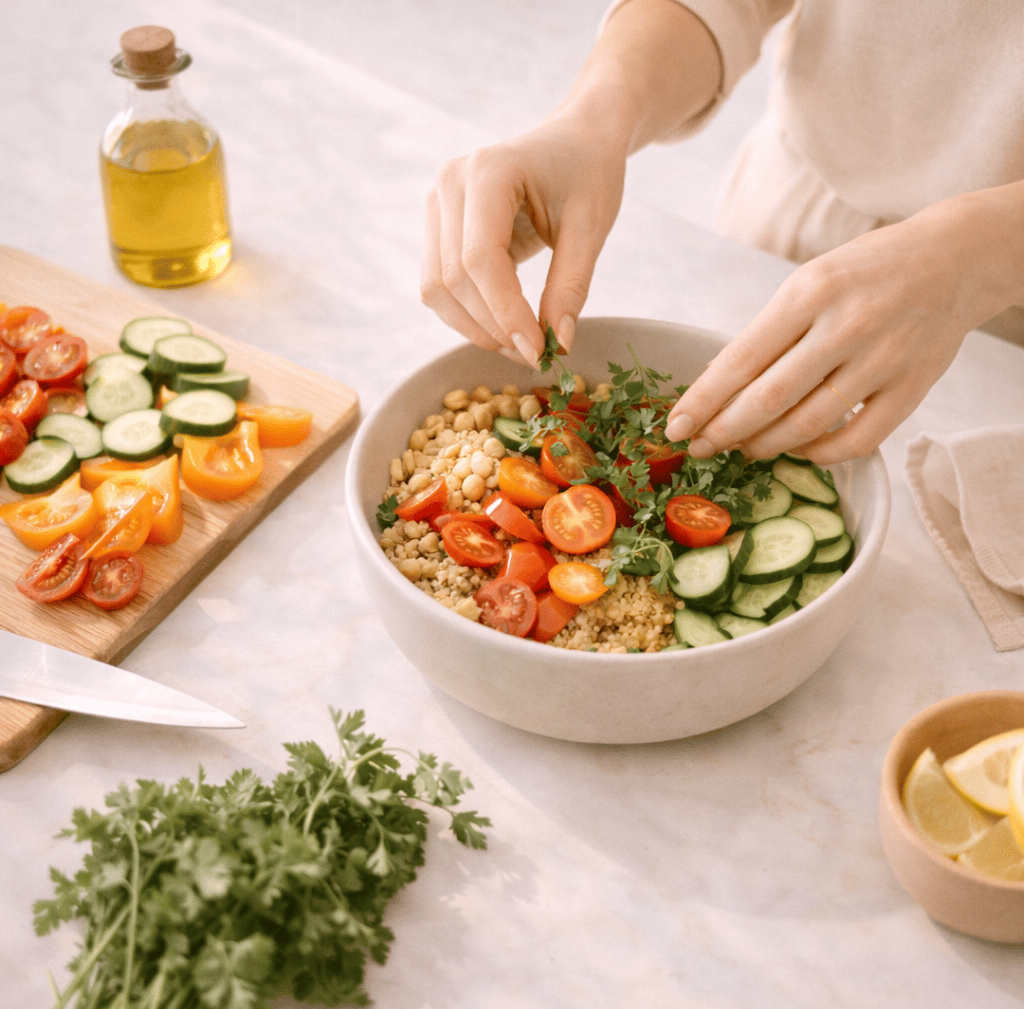
Embracing Whole Foods: The Foundation of Healthy Eating
In the quest for better health and well-being, it is essential to embrace whole foods as a fundamental component of our diets. Whole foods are those that are minimally processed and free from artificial ingredients, preserving their natural state. They primarily include fruits, vegetables, whole grains, nuts, and seeds, all of which offer a myriad of health benefits. By integrating these foods into daily meals, individuals can enjoy enhanced nutrient intake and overall vitality.
Fruits and vegetables are cornerstone components of a whole foods diet, packed with vital vitamins, minerals, and antioxidants. These nutrients play a crucial role in supporting bodily functions, including immune response and cellular repair. Whole grains, such as brown rice, quinoa, and oats, provide an excellent source of fiber, promoting digestive health and helping to maintain a stable energy level throughout the day. Nuts and seeds contribute healthy fats, protein, and additional micronutrients that are essential for optimal bodily function.
The incorporation of whole foods into one's diet can significantly enhance energy levels. Unlike refined foods, which often lead to energy crashes due to their high sugar content, whole foods provide sustained energy release. This gradual absorption into the bloodstream prevents spikes in blood sugar levels, allowing individuals to enjoy steadier energy. Furthermore, whole foods have been linked to improved mental clarity, better mood stability, and a lower risk of chronic diseases.
Ultimately, embracing whole foods leads to a transformative lifestyle. By prioritizing these nutrient-dense choices, individuals can set themselves on a path toward improved health in 2026 and beyond. This foundational shift not only influences physical well-being but also fosters an overall sense of fulfillment and purpose in life.
Portion Control: Understanding Balance in Eating
Portion control is an essential element in establishing and maintaining a healthy diet. It refers to the practice of managing the amount of food you consume in a single sitting. Understanding the significance of portion sizes can significantly impact your overall health and wellness. In today's fast-paced environment, our tendency to overeat, often compounded by larger plate sizes and plentiful serving options, highlights the necessity of a mindful approach to portions.
One practical strategy for controlling portions is to utilize smaller plates and bowls. Research indicates that individuals tend to eat less when they use smaller dishes because it visually enhances the amount of food presented, helping to create an optical illusion of a fuller plate. This simple adjustment can lead to a natural reduction in caloric intake without the feeling of deprivation.
Measuring serving sizes is another effective method to ensure appropriate portions. It may initially seem tedious, but using measuring cups or a food scale can educate you on what a standard serving looks like, paving the way for healthier eating habits. Over time, this practice fosters an intuitive understanding of portion sizes, allowing you to make better decisions during meals.
Additionally, the psychological components of eating cannot be overlooked. Mindful eating encourages awareness of hunger cues and promotes attention to tasting and enjoying food, which naturally lends itself to better portion control. By concentrating on the act of eating and recognizing emotional triggers for overeating, individuals can cultivate greater awareness and make healthier choices that support sustained wellness.
Incorporating these portion control techniques not only supports effective weight management but also contributes to a balanced and satisfying relationship with food, reinforcing overall health improvements in the long run.
Hydration: The Often Overlooked Habit
Hydration plays a crucial role in maintaining overall health and wellness. Many individuals underestimate the importance of drinking adequate amounts of water, which can lead to a cascade of health issues. Ensuring proper hydration is essential for various bodily functions, including digestion, skin health, and cognitive performance. Research indicates that optimal water intake contributes to better digestion by helping break down food, facilitating nutrient absorption, and preventing constipation. Dehydration can hinder these processes, leading to discomfort and health complications.
Moreover, staying well-hydrated is directly linked to skin health. Water consumption aids in maintaining skin elasticity and hydration, thereby reducing the appearance of fine lines and dryness. A well-hydrated body promotes a youthful look and can mitigate skin problems, such as acne and eczema. Additionally, adequate hydration is essential for enhanced cognitive function. Studies show that even mild dehydration can impair concentration, memory, and overall cognitive abilities, highlighting the importance of maintaining fluid balance.
To increase water intake, individuals can employ several practical strategies. One effective method is to carry a refillable water bottle throughout the day, making it easier to monitor consumption. Setting reminders to drink water at regular intervals can also be helpful. Furthermore, incorporating hydrating foods, such as fruits and vegetables, into daily meals can significantly boost overall water intake. Foods like cucumbers, watermelon, and oranges provide both hydration and essential nutrients.
For those seeking variety, consider options like herbal teas, low-sugar flavored waters, and coconut water, which offer hydration alongside additional health benefits. A conscious effort to improve hydration habits can lead to remarkable transformations in health and lifestyle in 2026.
Meal Planning and Prep: Strategies for Success
Meal planning and preparation represent a fundamental shift in dietary habits that can significantly improve one’s health and lifestyle. Engaging in these practices not only contributes to more nutritious eating, but also results in time efficiency and reduced stress in daily life. With a well-structured approach, individuals and families can enjoy the benefits of enhanced organization and mindful eating.
To successfully implement meal planning, consider starting with a structured shopping list that aligns with your dietary goals. This means assessing your needs and preferences, then outlining meals for the week ahead. A shopping list not only reduces impulse purchases but ensures that you acquire ingredients necessary for balanced meals. This kind of foresight helps in maintaining a pantry stocked with healthy options.
Batch cooking serves as another effective strategy within meal prep. By preparing larger quantities of food at once, you minimize the time spent cooking on busy weekdays. For instance, cooking a big pot of quinoa or a tray of roasted vegetables at the beginning of the week allows for versatile uses in different dishes. Incorporating a wide range of foods ensures that your meals are not only nutritious but also varied and enjoyable.
The incorporation of meal planning and preparation into one’s lifestyle fosters dietary consistency and encourages healthier choices. Meal prep does not just save time; it cultivates a mindset focused on health and nutrition. As individuals prioritize these strategies, they will likely experience a positive shift toward a more organized and health-focused life as they approach 2026. By dedicating a small amount of time each week to these practices, the long-term benefits will manifest through improved vitality and well-being.
Read & Thrive
Explore our sleek website template for seamless navigation.
Contact
Newsletter
info@email.com
© 2026. All rights reserved.